


Digital Twins: The Operating System for Buildings & Cities
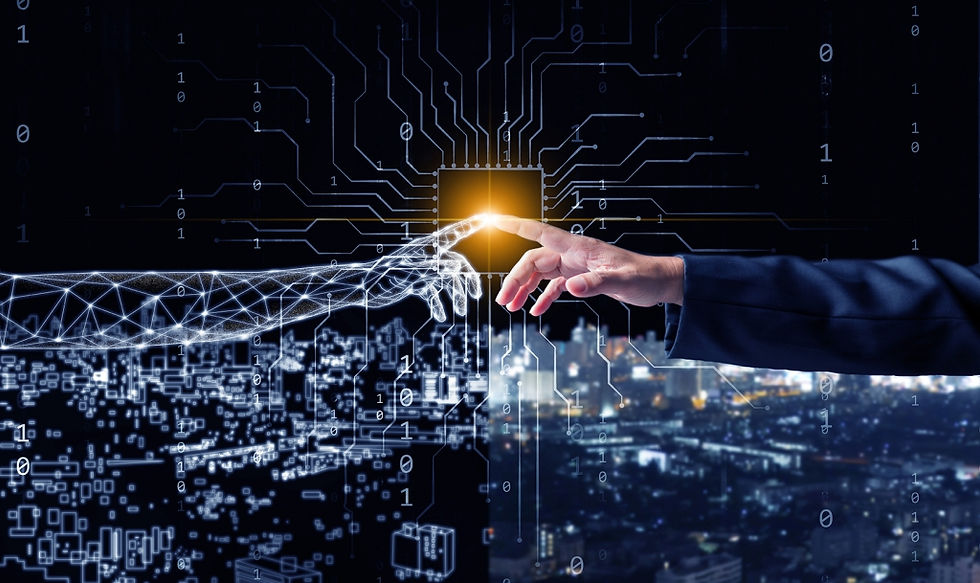
In the era of smart infrastructure, buildings and cities are no longer static structures—they are dynamic ecosystems of data, technology, and human activity. At the heart of this transformation lies the concept of the digital twin: a real-time, virtual representation of physical assets that acts as an operational backbone for both buildings and urban environments.
The Rise of Digital Twins
Digital twins are moving beyond experimental pilots to become mainstream tools in the property and urban development sectors. Leveraging IoT sensors, AI analytics, and real-time data streams, they provide unprecedented visibility into how buildings and cities operate. Essentially, they function as an operating system, allowing stakeholders to understand, simulate, and optimize every aspect of physical infrastructure.
Where Digital Twins Deliver Value
Digital twins are already proving their worth across multiple operational domains:
1. Commissioning:
Traditionally, the commissioning of buildings—testing systems, ensuring operational efficiency, and validating design intent—has been time-consuming and prone to errors. Digital twins streamline this process by providing a live model of systems and components, enabling faster verification and issue detection before they escalate into costly problems.
2. Asset Operations:
Day-to-day building management benefits immensely from digital twins. From predictive maintenance of HVAC systems to energy optimization and space utilization, facility managers can proactively address issues, reduce downtime, and improve occupant comfort. Real-time insights also empower sustainability initiatives, helping buildings meet carbon reduction targets efficiently.
3. Capital Planning and Investment:
For investors, owners, and city planners, digital twins transform capital planning. By simulating upgrades, expansions, or retrofits, stakeholders can visualize outcomes, assess risk, and prioritize investments. This predictive capability reduces wasted expenditure, accelerates ROI, and strengthens decision-making across the asset lifecycle.
Why the Market is Scaling Fast
The acceleration of digital twin adoption is driven by several converging trends:
Data Proliferation: IoT sensors, smart meters, and building management systems generate vast amounts of actionable data, providing the fuel digital twins need to function effectively.
Sustainability Imperatives: Increasing regulatory and societal pressure for energy efficiency and carbon reduction is pushing organizations to adopt tools that optimize resource use.
Urbanization & Complexity: As cities grow and buildings become more technologically sophisticated, traditional management methods can’t keep up. Digital twins offer a scalable solution.
Cost Efficiency & Risk Reduction: By predicting failures, optimizing operations, and guiding capital decisions, digital twins reduce operational costs and mitigate financial and operational risk.
Market analysts project exponential growth in digital twin adoption over the next decade, with both private and public sector investment soaring as the tangible value becomes undeniable.
The Future: Integrated Urban Intelligence
As digital twins evolve, the vision extends beyond individual buildings to entire cities. Imagine an integrated city-wide twin that models traffic flow, energy distribution, public safety, and environmental conditions in real time. Such systems could enable proactive urban planning, smarter emergency response, and enhanced quality of life for residents. In this sense, digital twins are not just tools—they are the operating system for future cities.
Digital twins are no longer a futuristic concept—they are a practical, scalable technology delivering measurable value across commissioning, operations, and capital planning. For real estate professionals, city planners, and investors, understanding and adopting digital twin technology is quickly becoming not just a competitive advantage, but a necessity. As we look toward smarter, more sustainable cities, digital twins will form the backbone of the buildings and urban spaces of tomorrow.
At the Global PropTech Summit 2025, decision-makers will explore how digital twins are transforming the way buildings and cities are designed, managed, and optimized — and how developers, operators, and investors can leverage this technology to drive efficiency, sustainability, and long-term value.


Comments